
A New England Hillclimb Association (NEHA) weekend brings together registration, technical inspection, course Control, checkpoint volunteers, and timing. Understanding how those roles connect explains what happens before a driver starts a run—and how the event continues from preparation through competition.
A NEHA hillclimb runs on clear roles and steady communication. This guide shows how the main jobs fit together over a typical weekend. Confirm the schedule and procedures for any event you plan to attend with its organizer.

Image source: Wilcox Motorsports
Friday: prepare the event and its entrants
Friday is usually about setup, registration, and technical inspection. These jobs address different needs: registration handles entry paperwork, while technical inspection examines the vehicle and safety equipment.
Inspection can cover items such as tires, suspension, harnesses, and helmets. It is also useful to separate inspection from classification: a technical inspector checks safety, while determining the appropriate competition class is a separate responsibility.
For a newcomer, the practical question is what needs to be ready before arrival. Ask the organizer about the applicable documents, inspection arrangements, and rules rather than treating a general account of Friday as an event-specific checklist.
Separate the questions you need answered
For someone preparing to enter, it helps to divide the work into three questions: how do I enter, which class applies, and what must pass inspection? They are connected, but an answer to one does not settle the others. Use the current rules and ask the relevant classification or technical contacts when you need a definitive answer.
Use that distinction when preparing your own questions. Ask the organizer about arrival and registration arrangements, then consult the applicable rules and technical contacts about the vehicle. A general article can explain the process; the event’s documents and officials supply the details needed for your particular entry.
Saturday morning: bring the people together
The morning typically includes separate meetings for workers and drivers. Workers review communications, flags, and safety; drivers receive information about conditions and the conduct of the event. Familiarization runs introduce the course before timed running.
These parts of the morning connect preparation to activity on the road. A car can be ready in the paddock while its driver and the workers still need the information that applies to that day’s operation.
Understand what each briefing is for
A useful way to approach the morning is to listen for information that changes what you need to do that day. For a worker, that may mean understanding the assigned checkpoint and communications procedure. For a driver, it means understanding the conditions and instructions addressed in the driver meeting.
Familiarization is a separate part of the event before timed running. Treat that as another reason to understand the complete schedule rather than arriving with only a start time in mind. Confirm the current requirements with the organizer, especially if your arrival plans differ from the normal weekend pattern.
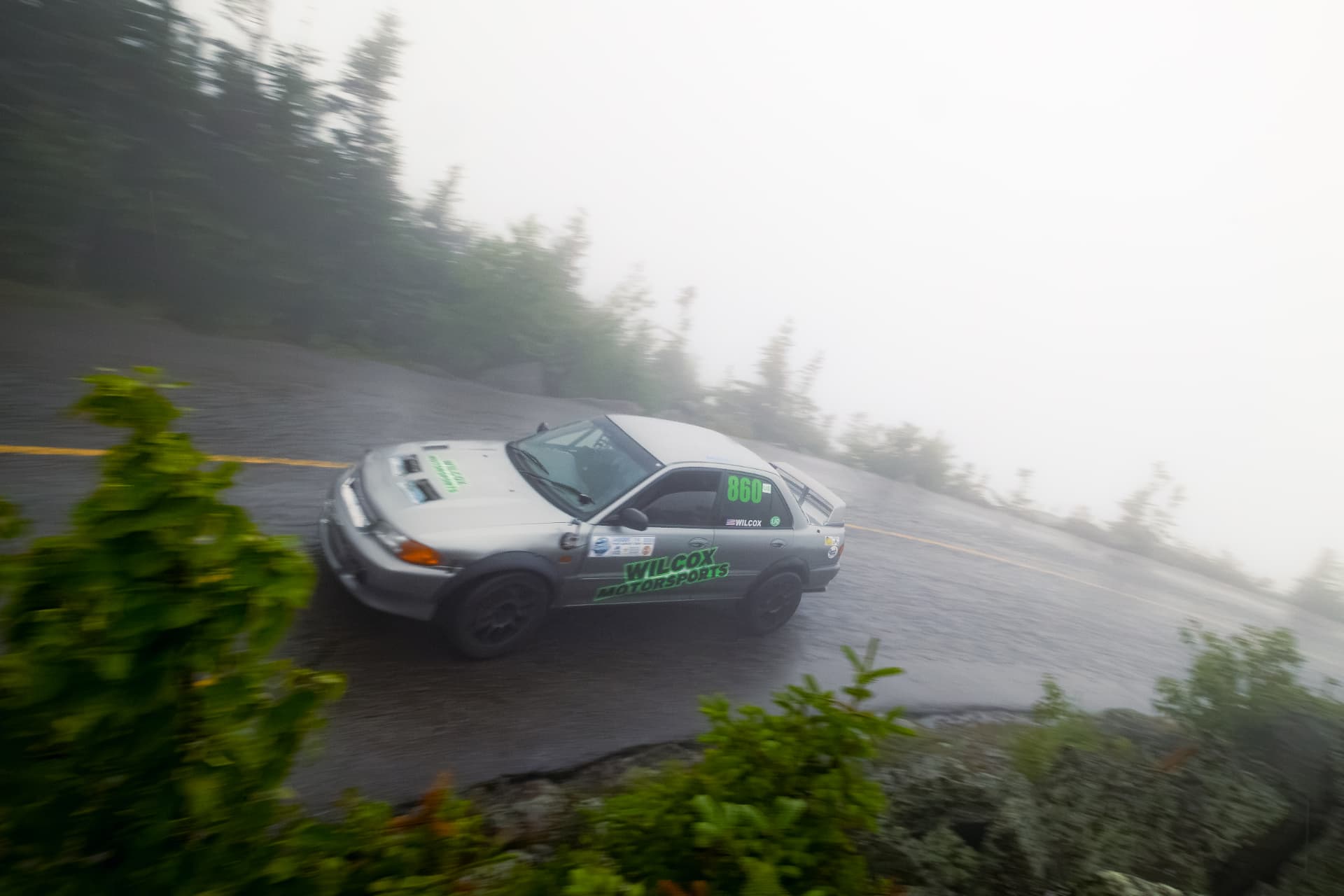
Image source: Wilcox Motorsports
During a run: understand the connected roles
Several responsibilities continue throughout running:
- Event chair: oversees the event, handles participant and public concerns, and has authority over decisions such as closing for weather.
- Holding and start: prepares the next driver and coordinates with Control.
- Control: tracks progress on the hill, coordinates vehicle movement, and receives checkpoint reports.
- Checkpoint workers: observe their part of the course and communicate with Control.
- Timing: records runs and acts as the final checkpoint.
The published Worker Guidelines reinforce the connection between observation and communication. Reports from checkpoints help Control follow activity beyond the start area. To understand an event from the outside, pay attention to this flow of information as well as the movement of the cars.
Follow the information as well as the car
Think through the roles in order. Preparation at holding and start connects the next driver to the running of the course. Reports from checkpoints connect separate locations to Control. Timing provides the recorded result at the end. This is a way to understand the organization, not a substitute for its operating procedures.
For a prospective volunteer, the useful question is where your assignment fits in that sequence. What information are you responsible for? Who gives you instructions? What do you need clarified before activity starts? Those questions turn an unfamiliar title such as Control or checkpoint into a responsibility you can discuss with the organizer.
Sunday: the competitive purpose of the weekend
Saturday is generally used for practice, while Sunday carries the official timed runs. That gives the weekend a progression: preparation, familiarization and practice, then competition.
The division of responsibility continues throughout that progression. Recording a time depends on the work at the start, along the course, and at the finish. A results sheet is one visible product of their combined effort.
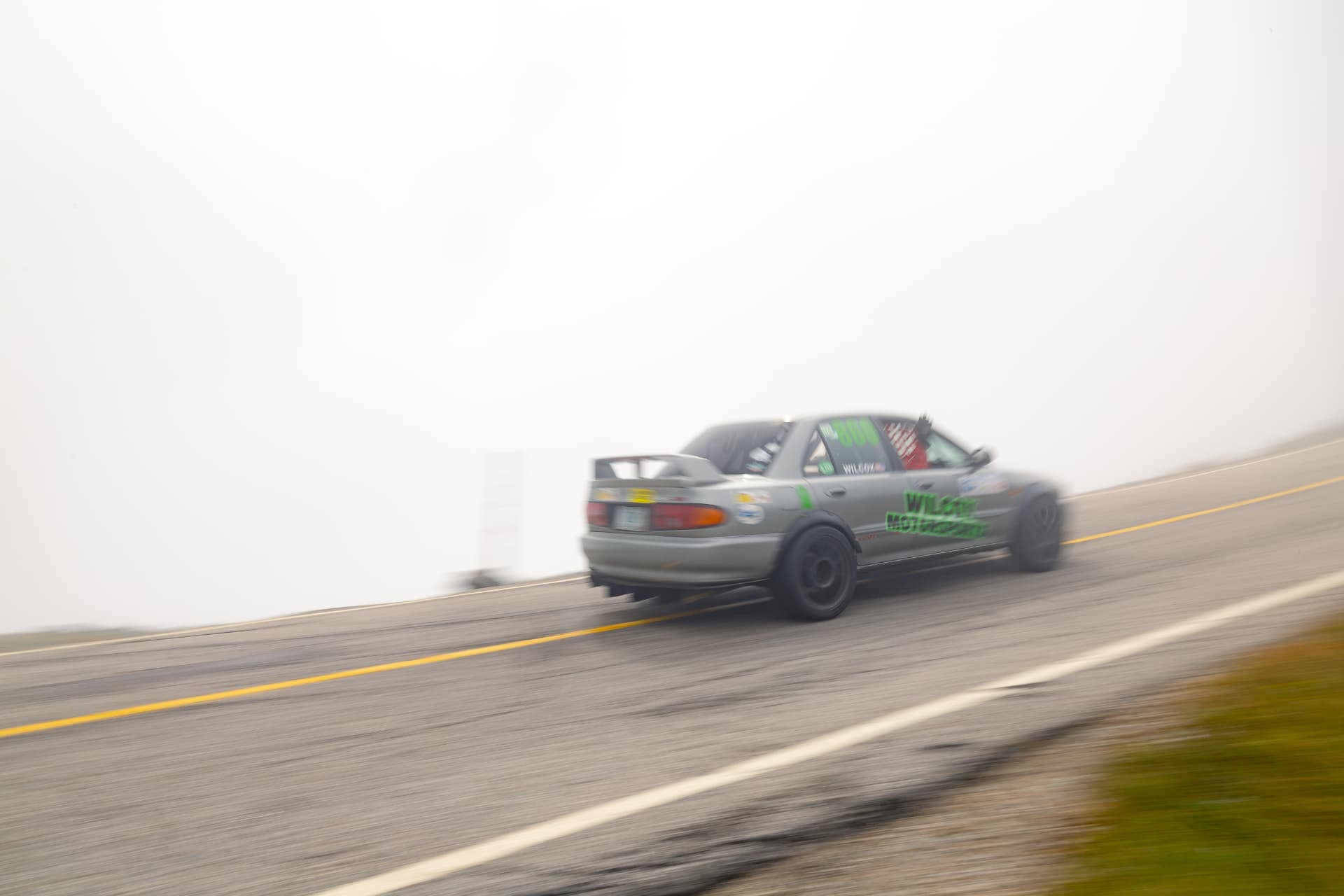
Image source: Wilcox Motorsports
After running: look beyond the results
Hillclimb weekends rely on people who care for the places where they run, including campsites, pits, and checkpoints. That work includes setup and cleanup as well as organizing, timing, and course work.
When you plan your involvement, ask where help is needed across the weekend. You might be drawn to checkpoint work, or you might want to learn about another role. Understanding those jobs makes the event easier to appreciate: every driver’s run sits within a much larger group effort.
Choose a contribution that fits your availability
When offering to help, be specific about when you can arrive and how long you can stay. Ask about preparation and cleanup as well as work during the timed runs. The organizer can then explain the available jobs without having to guess what you are offering.
After your first weekend, write down what you learned and what still needs an answer. You might want to understand timing in more detail, return to a checkpoint, or begin researching an entry as a driver. A clear next question gives the experience a useful continuation beyond watching the results appear.
Questions to ask before attending
- What is this event’s schedule for arrival, registration, and briefings?
- Which volunteer roles need help, and how are newcomers introduced to them?
- Where can entrants find the applicable rules and paperwork?
- What help is needed with setup and cleanup?
Start with NEHA’s guide to getting involved, then contact the sponsoring organizer about the event you have in mind.
Common questions about a NEHA weekend
Are Saturday and Sunday the same?
Saturday practice and Sunday official timed runs are the usual pattern for this overview. Check the event’s own schedule and instructions before making travel or participation plans.
Does passing technical inspection determine the car’s class?
Safety inspection and vehicle classification are separate responsibilities. Prepare for both, and direct questions to the appropriate contacts rather than assuming one check answers everything.
Where should a first-time volunteer begin?
Start with NEHA’s getting-involved information and contact the event organizer. Explain your experience and availability, then ask about assignments, the worker briefing, and arrival arrangements. That makes the next step specific to the event you intend to support.
Further reading
Related guide: Before Your First Hillclimb: What Volunteering Can Teach You