
Volunteering at a New England Hillclimb Association (NEHA) event is a practical way to get involved in hillclimbing before entering as a driver. Checkpoint work introduces you to course communication, event organization, and the people who make a race weekend possible.
NEHA’s introduction for newcomers welcomes people without previous worker experience. For someone considering a future entry, that creates a useful first step: meet the people, learn about the work, and see how the event operates before deciding what comes next.

Image source: Wilcox Motorsports
Learn what happens between the start and finish
Hillclimbing sends individual drivers against the clock on a mountain road. From a results sheet, the run looks like a single number. From a checkpoint, it becomes part of a larger operation involving workers, course Control, and timing.
Checkpoint workers report passing cars to Control, which tracks progress on the hill. Timing records the run and also serves as the final checkpoint. Those connected jobs give a prospective driver something valuable to pay attention to: how other people support every trip up the course.
Discover why communication matters
NEHA’s published Worker Guidelines place communication at the center of checkpoint work. Workers report vehicle movements and problems such as spills, stopped cars, or dropped parts. The guidelines also describe an experienced worker as part of normal checkpoint staffing.
For your first event, make understanding the assignment your priority. Ask how the equipment works, what your role includes, and which instructions apply at that location. Use the event’s worker briefing and official guidance for operating procedures; an introductory article is a starting point for learning the job.
Give yourself a learning goal
Before attending, choose a few things you want to understand. You might focus on how a checkpoint fits into the course, how information reaches Control, or how the worker meeting prepares people for the day. These are useful questions even if you have no immediate plans to compete.
Keep those learning goals separate from your assigned duties. Ask questions at an appropriate break, and let the event briefing determine how you perform the job. Watching cars can be part of the experience, but the responsibility described in NEHA’s worker material is to observe and communicate. Approach your assignment with that purpose in mind.
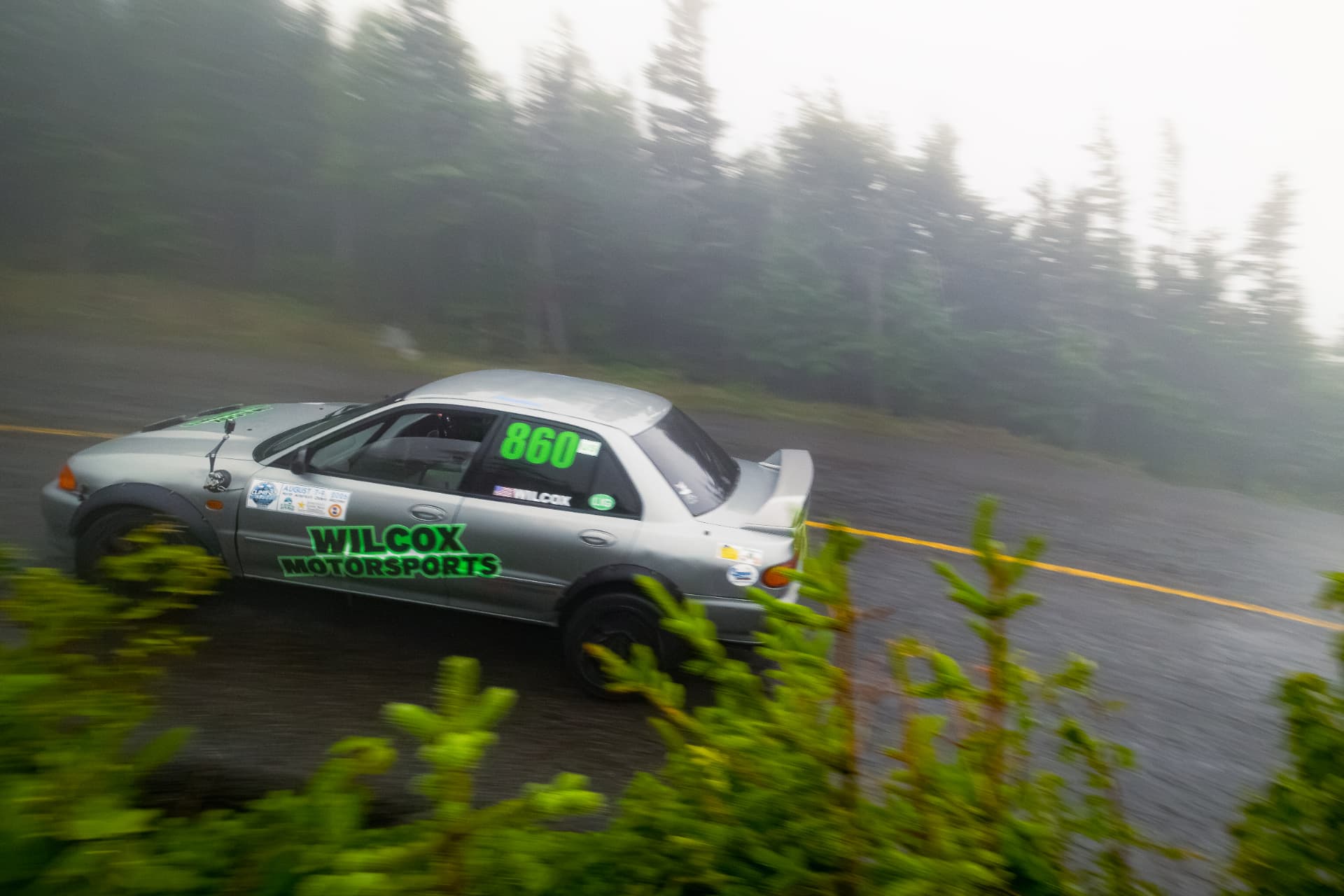
Image source: Wilcox Motorsports
Meet the community around the cars
Hillclimbing brings together families, competitors, friends, organizers, and volunteers. Many people drive and work at the same event. That is one reason to approach your first hillclimb with curiosity about the people as well as the machinery.
Use opportunities to talk with organizers and participants to explore the questions that brought you there. What interests you about driving? Which parts of an event would you like to help with? What do you still need to understand before preparing a car?
Turn a general interest into useful questions
If you hope to drive eventually, use conversations to find the right next step rather than a quick verdict on your car. Ask where to find the applicable class information and who can explain a technical requirement. Describe what you want to learn before asking which equipment to buy.
If volunteering itself appeals to you, ask about returning to the same role or learning another part of the event. Hillclimb weekends need people in organizing, timing, Control, checkpoints, meals, setup, and cleanup. Those roles offer different questions to explore. An organizer can explain where help is needed and which assignments make sense for a newcomer.
Prepare for your first volunteer day
NEHA’s newcomer guidance recommends rain gear, extra clothing, insect repellent, drinks, a chair, snacks, and toilet paper. Use that list as a starting point, then confirm the arrangements for your chosen event with its organizer.
- Ask how to register as a volunteer and where and when to report.
- Explain that you are new and ask about the briefing and available assignments.
- Confirm what equipment is provided and what you should bring.
- Read the worker guidance before attending and bring questions to the briefing.
Confirm the arrangements before you travel
Use your first message to the organizer to introduce yourself, name the event you are interested in, and explain your availability. Ask whether you should complete anything beforehand and how to find the worker meeting. This gives you a concrete plan without assuming that every hill handles arrival in the same way.
For packing, think in three groups: clothing for the conditions, food and drink, and items the organizer specifically requests. NEHA’s suggested supplies are a useful baseline, but they do not answer every event-specific question. Check arrangements for meals, breaks, and your assigned location rather than assuming they are included.
Before leaving home, keep the organizer’s instructions somewhere you can refer to them. At the event, explain any uncertainty about your assignment before taking it on. Preparing well means knowing what to ask as much as knowing what to bring.
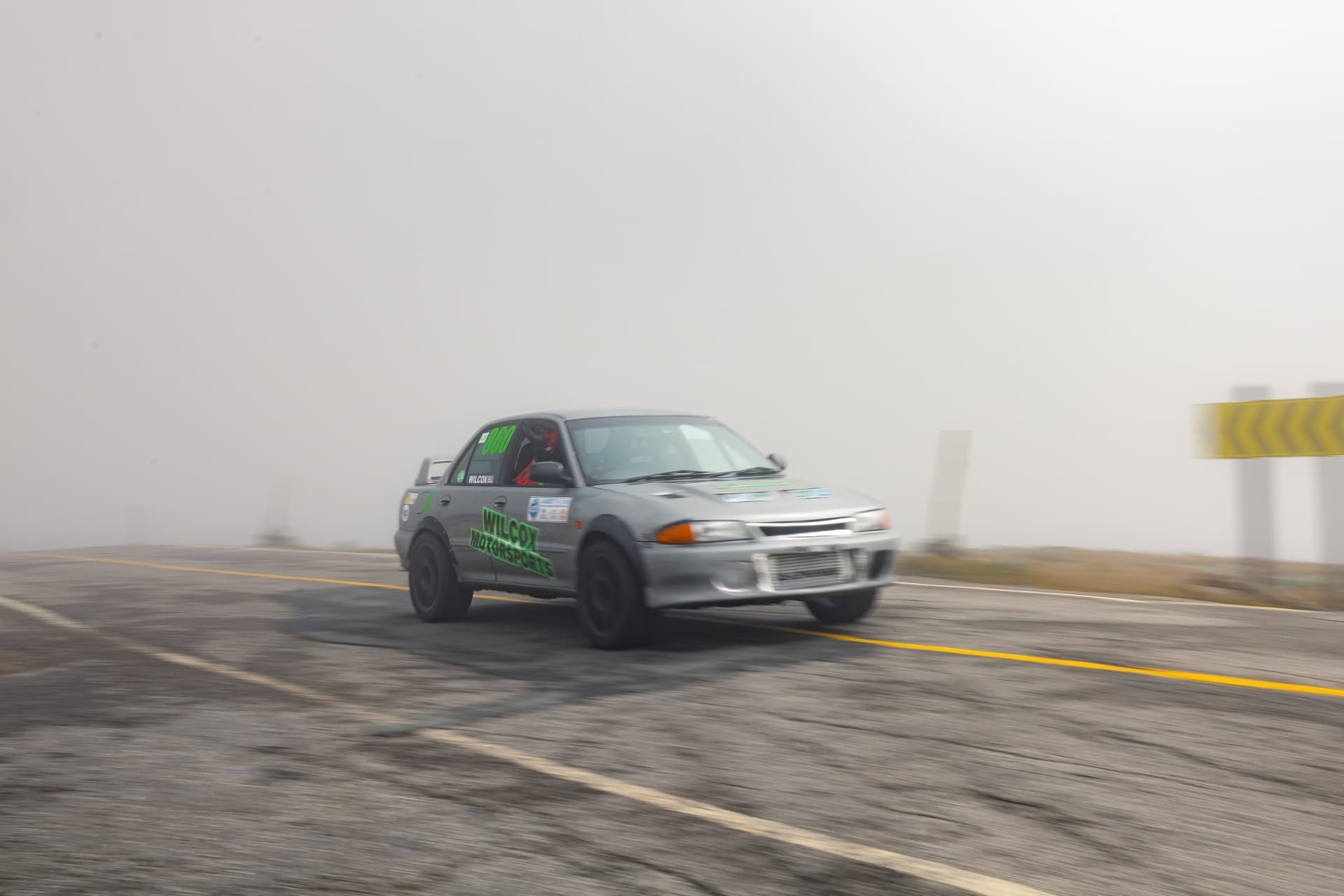
Image source: Wilcox Motorsports
Let the experience guide your next step
You may want to return as a worker, investigate entering as a driver, or spend more time learning about both roles. If driving becomes your goal, start with the current rules and reach out to the appropriate Classification or Technical Committee contacts for vehicle questions.
Begin with NEHA’s information on getting involved. Contact the organizer of the event that interests you and ask how you can help. Your first useful contribution can come before your first timed run.
Common questions about hillclimb volunteering
Do I need previous motorsport experience?
NEHA’s introduction to working an event welcomes newcomers without experience. Tell the organizer that it is your first time and ask about the role, briefing, and support available. That welcome is an invitation to learn the assignment, rather than a reason to skip its instructions.
Do I have to enter a car to get involved?
Workers and drivers have different responsibilities, and plenty of people do both. You can explore volunteering without deciding to compete. If you later want to drive, entry, classification, and technical preparation become separate questions to work through.
What should I do after my first event?
Consider which parts interested you most, then contact the organizer about returning. If your goal is driving, begin with the rules and the appropriate classification or technical contacts. If working suits you, ask where your help would be useful at a future event.
Further reading
Related guide: One Mountain, Many Jobs: Behind the Scenes of a NEHA Hillclimb